Services

Individuals & Families
One-on-One Wayfinding Personalized guidance to help learners identify strengths and navigate educational or workplace challenges.
Personal Positive Niche Construction Tailored strategies to create empowering learning environments based on individual strengths.
Whole Family Learner Support Exploring the family’s learner profiles to promote understanding, move away from harmful labels, and embrace more descriptive and productive language to inform smarter strategies.

Educators & Learning Support
Pedagogy Workshops Interactive workshops providing practical tools for implementing neurodiversity-affirming practices in classrooms.
Presentations & Lectures Engaging presentations that offer insights into best practices for supporting neurodiverse learners.
Educator Retreats Immersive retreats designed to deepen understanding and integration of neurodiversity in educational settings.

Higher Education & Workplace
Professional Development Workshops for Educators, Admins and Managers Workshops in a variety of formats focused on enhancing individual and shared ability to support a neurodiverse student body.
Strengths-Focused Team Building Team-building exercises aimed at leveraging individual strengths to create cohesive, effective teams.
Human Resources & Talent Management Guidance for HR professionals on attracting and retaining talent that identifies as neurodivergent.
Neurodiversity Affirming Workplaces From Neurodiversity 101 to policy development that fosters neurodiversity-affirming practices.
Why I do this work
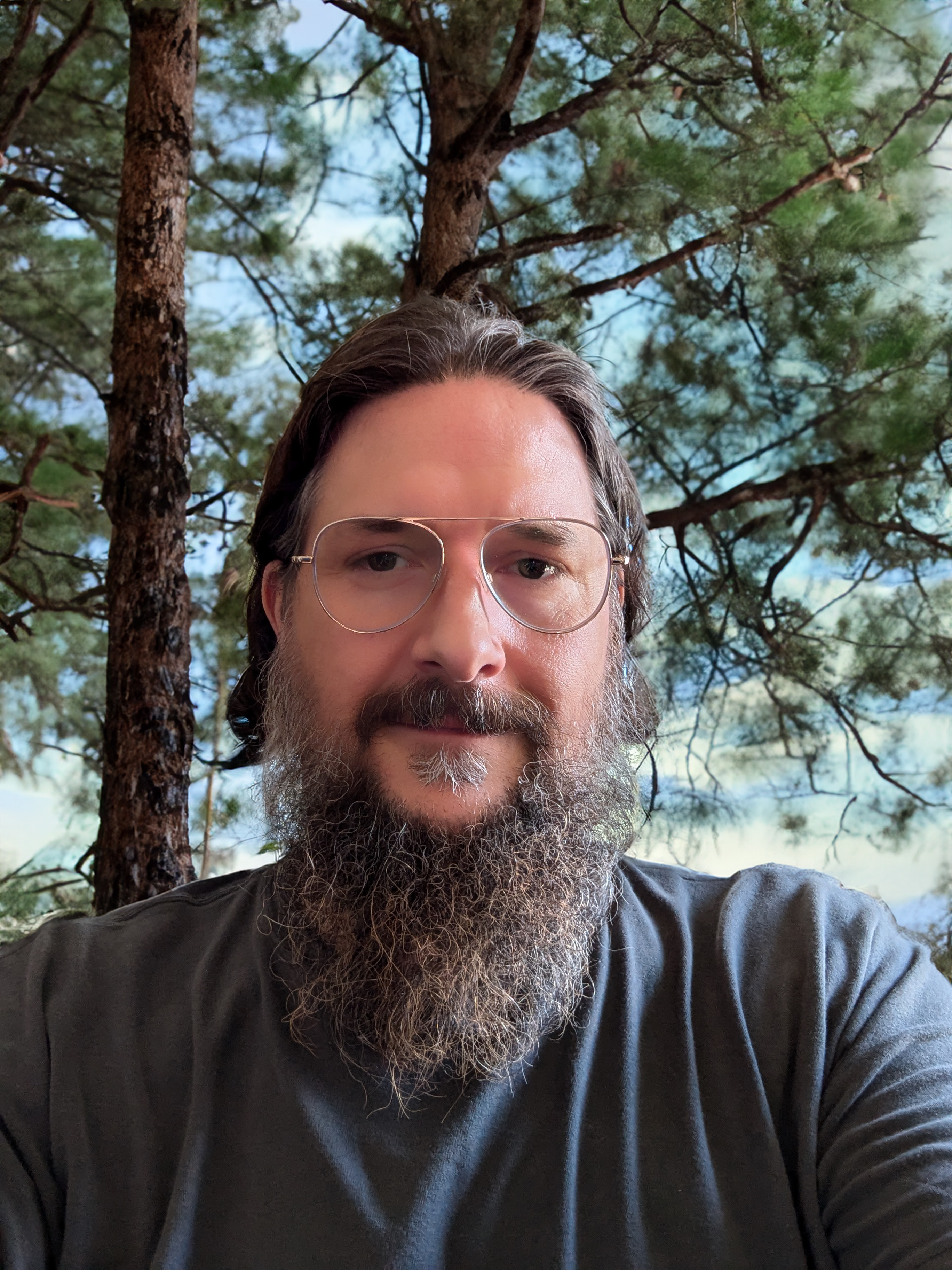
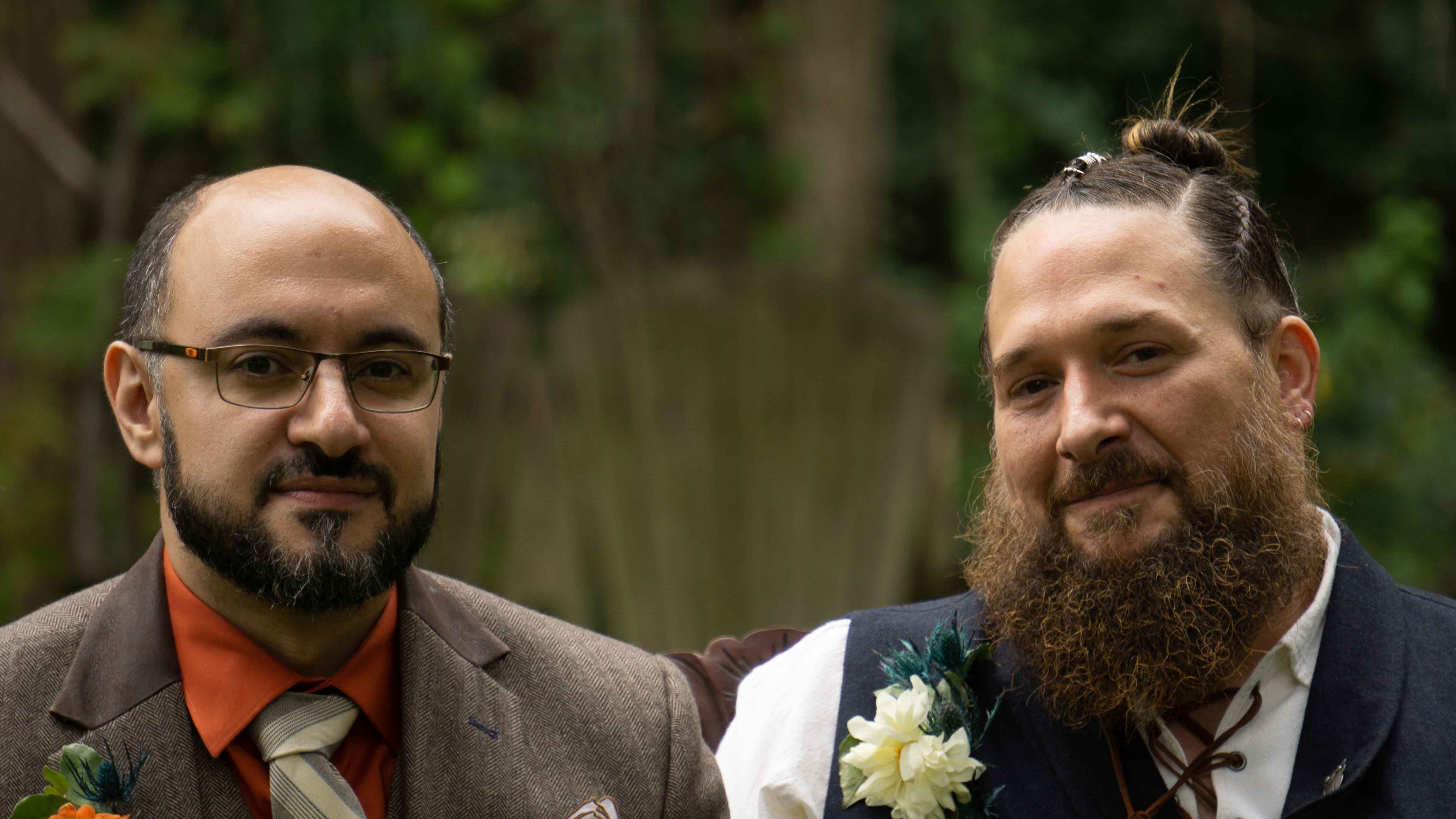
In 2010, I met my husband. I supported him while he wrote his dissertation, and in return, he guided me towards earning my master’s degree. School had been a struggle for me in the past, but his unwavering belief in my abilities gave me the confidence to begin anew. We soon discovered that unaddressed learning challenges and sensory sensitivities were hindering my learning and expression of knowledge.
This sparked a series of inquiries. We sought competent care providers, including a therapist to help process the diagnosis, a prescriber to consider medication, and a peer therapy group to validate my experiences and reshape my personal history. With immense personal effort and my partner’s incredible patience, I completed my master’s in communication in 2020. This marked the beginning of my mission to advocate for the neurodiversity movement.
I approached my university’s DEI office and inquired, “How are we addressing the neurodiversity movement?” After an hour, our meeting concluded with the response, “We lack experts with this knowledge.” Just six days later, I enrolled in a doctoral program at a small, activist school specializing in education for cognitive diversity.
Since then, I’ve been consulting with parents, educators, employers, and learners to foster environments where neurodivergent individuals can excel, find understanding, and create appropriate support for their unique needs.
My Approach
In my practice, I prioritize a strengths-based approach, working collaboratively with individuals, families, educators, and organizations to develop tailored strategies that empower neurodivergent learners. By focusing on positive niche construction, I help my clients create environments where individuals and groups can thrive, moving beyond harmful labels and embracing more productive and descriptive language.
For educators, learning support professionals, managers and administrators, I offer interactive workshops and immersive retreats designed to integrate neurodiversity-affirming practices into higher education and workplace settings. My professional development programs aim to enhance the capacity of educators, administrators, and managers to support neurodivergent individuals, fostering inclusive and effective teams.
My work is research-driven and informed by my ongoing pursuit of knowledge in the field of cognitive diversity. I believe that everyone can benefit from a closer examination of their own cognition and that embracing and understanding neurodiversity is essential to human thriving.

If this is still new to you…
Cognitive Diversity
Cognitive diversity refers to the natural variety of human cognition that arises from neurodiversity. All people are included when we refer to neurodiversity and cognitive diversity, these represent the range of our collective variety. Every person can benefit from closer examination of their own cognition, not just those who are divergent.
Divergent Learners
While populations have diversity, individuals who depart from the typical are called divergent. Divergent individuals have less encountered neurology or cognition and may require different ways of attending than people are familiar with.
They (we) are your friends, coworkers, supervisors, employees, and members of your family seeking ways to use our insight and unique ways of thinking to strengthen our communities, relationships, workplaces, and classrooms.
“Gifted” Learners
When a learner has advanced ability in a domain we refer to it as being “gifted”. Individuals with this unique constellation of cognitive traits often have asymmetric learning profiles that result in qualitatively different experiences that require different kinds of support.
Neurodiversity
Neurodiversity refers to the variety of biologically different brains that are made possible by the myriad physical differences that make every person unique. Our biological apparatuses are a product of various factors such as genetics, epigenetics, personal histories, and cultural contexts.
The term helps to remind us that there are more and less encountered types of brains, but they aren’t wrong or abnormal. Neurodiversity is akin to biodiversity, in that both terms describe biological variation that is essential to human thriving.
Twice Exceptional Learners
A person can be gifted and learning disabled. This is commonly referred to as a twice exceptionality. It is a commonly overlooked or misdiagnosed phenomenon.
Wayfinding
Wayfinding refers to the process of navigating and orienting oneself or one’s organization. I prefer this term because it acknowledges that the way forward isn’t always an existing pathway.
Contact me
Get in touch with me! I’m eager to connect with you.
If you are reaching out for yourself, share your story and let me know the support you’re looking for.
Employers and managers, express your concerns, whether it’s about attracting and retaining talent or fostering diversity and inclusion.
Parents and caregivers, share your desires, from helping to repairing your child’s relationship with education to gaining a deeper understanding of their unique strengths beyond the deficit model.
Higher education administrators and educators, what do you require to enhance your classroom, program, or the collaboration within your division?
I’m here to listen and engage.
Thank you for your response. ✨

 Jared James May Consulting