
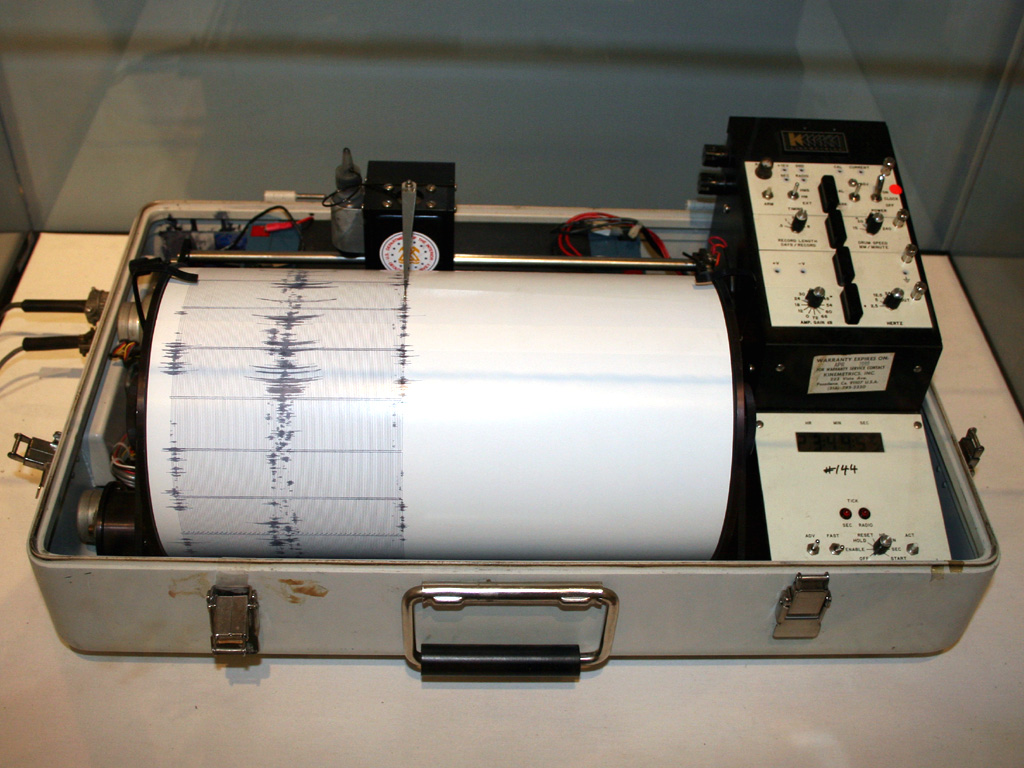
Can you recall a moment in your life that you would describe as “poignant”? I hadn’t given much thought to the term until I attempted to articulate my experience of being “a sensitive instrument”. I choose this term deliberately to prompt you the reader to reconsider the concept, hopefully preventing you from simply grabbing the concept “over sensitive” off of your “mental shelf”.

Think of any mechanism capable of perceiving and discerning minute changes, like the ear does with sound. Imagine your friend’s ears hear like a telephone, but your ears hear more like a stethoscope. What would happen if a car alarm went off nearby? Your friend might be startled, but you would likely jump out of your seat! Now imagine that this is the way you move through the world, profoundly affected by loud sounds while everyone around you remains mostly unperturbed. You seek refuge from noises that go unnoticed by those in your vicinity, and people begin to observe and comment on your heightened sensitivity. This trait permeates both your professional and personal life, often disrupting social interactions and causing frustration for others, including your partner. In more familiar spaces, such as during the holidays, it becomes a point of teasing from family (or torment, depending on what your brothers are like).

Like the stethoscope, I am a highly “sensitive instrument.” My sensitivity isn’t exactly about how I hear; it’s about how I experience the world. When my grandmother returned home to the UK after her last visit to the States, I cried profusely at first and then intermittently for days. It wasn’t that I was disproportionately sad to see her leave as my parent’s thought—it was something more profound.
At the gate, moments before boarding the plane, my grandmother and great aunt paused as they were about to embrace. They took each other in one last time, chuckled a moment at the aged bodies they now inhabited, foreign but still resemblant. Tears swelled in their eyes, rising up with the memories of love, conflict, and the incalculable value of the long history they shared with so few now. I could see a rush of sentiments left unsaid move across their faces as the words made a final bid for utterance. They wouldn’t meet again, and they chose to part company the way they lived: full of dignity, grace, and quietly desperate in the hope that one could truly intuit what the other meant to them. This is what troubled my ten year old mind.
I had to look up the definition of poignant again to be sure it was the word I needed to describe my experience. “Painfully affecting the feelings … deeply affecting … being to the point … piercing, touching, cutting”*. Yes, this is the word. This has been my depth of experience from the time I was young. As a teenager, I attempted to keep life as surface as possible. I experimented with all the drugs in an attempt to find a way to manage the inevitable bouts of overload and constant sense of melancholy that comes with a deeply affected mind that cannot stop clocking the entropy of everything around him. While I had an ability to feel things deeply, I did not have the ability to emotionally process those things or a mechanism that allowed me to mentally disengage from my ruminations when their constant consideration became unhealthy.
Existing this way hasn’t necessarily gotten easier for me, but there is a very real relief in naming and articulating my experience and integrating this understanding of myself into the rest of my self-concept. It helps me to know that my reactions are proportional to the stimuli I’m experiencing. This empowers me to create boundaries that help me avoid unnecessary overload and normalize the practice of respectful boundary creation for the next person.
Understanding the nature of my sensitivities also enables me to leverage those same traits as assets, setting me apart as the right “instrument” for the job when a certain depth of consideration is required. Finally, it comforts me to know that others like me exist – highly sensitive instruments in their own particular way – and that they will read this account and know exactly what I’m talking about.
 Jared James May Consulting